Standardized Nursing Language: Enhancing Communication in Healthcare

The Importance of Standardized Nursing Language
In the fast-paced world of healthcare, clear and effective communication is essential to delivering high-quality patient care. One way to ensure consistency and accuracy in nursing documentation is through Standardized Nursing Language (SNL). By creating a common framework for recording assessments, interventions, patient experiences, and outcomes, SNL enhances communication among healthcare professionals and improves patient safety.
Key Considerations for Developing a Standardized Nursing Language
If tasked with determining a standardized language for nursing documentation, several important factors must be considered:
1. Clarity and Precision

The language should be clear, unambiguous, and universally understood by healthcare professionals.
Avoiding jargon and ensuring terminology is easily interpretable by nurses with varying levels of experience is essential.
2. Comprehensive Coverage

The language should encompass all aspects of nursing care, including assessments, interventions, patient responses, and outcomes.
It should be adaptable to different specialties, such as critical care, pediatrics, and mental health nursing.
3. Interdisciplinary Compatibility

Nursing language should align with standardized terminologies used by other healthcare professionals, such as physicians, therapists, and pharmacists.
Integrating with electronic health record (EHR) systems and ensuring compatibility with international classification systems (e.g., NANDA-I, NIC, NOC) is vital.
4. Evidence-Based Practice

The terminology should be grounded in research and best practices to reflect effective and up-to-date nursing care.
Regular updates should be implemented based on emerging evidence and changes in healthcare guidelines.
5. Patient-Centered Approach

Language should reflect patient perspectives, experiences, and individual needs.
Ensuring that terminology captures holistic aspects of care, including physical, emotional, and social well-being.
6. Global Standardization and Cultural Sensitivity
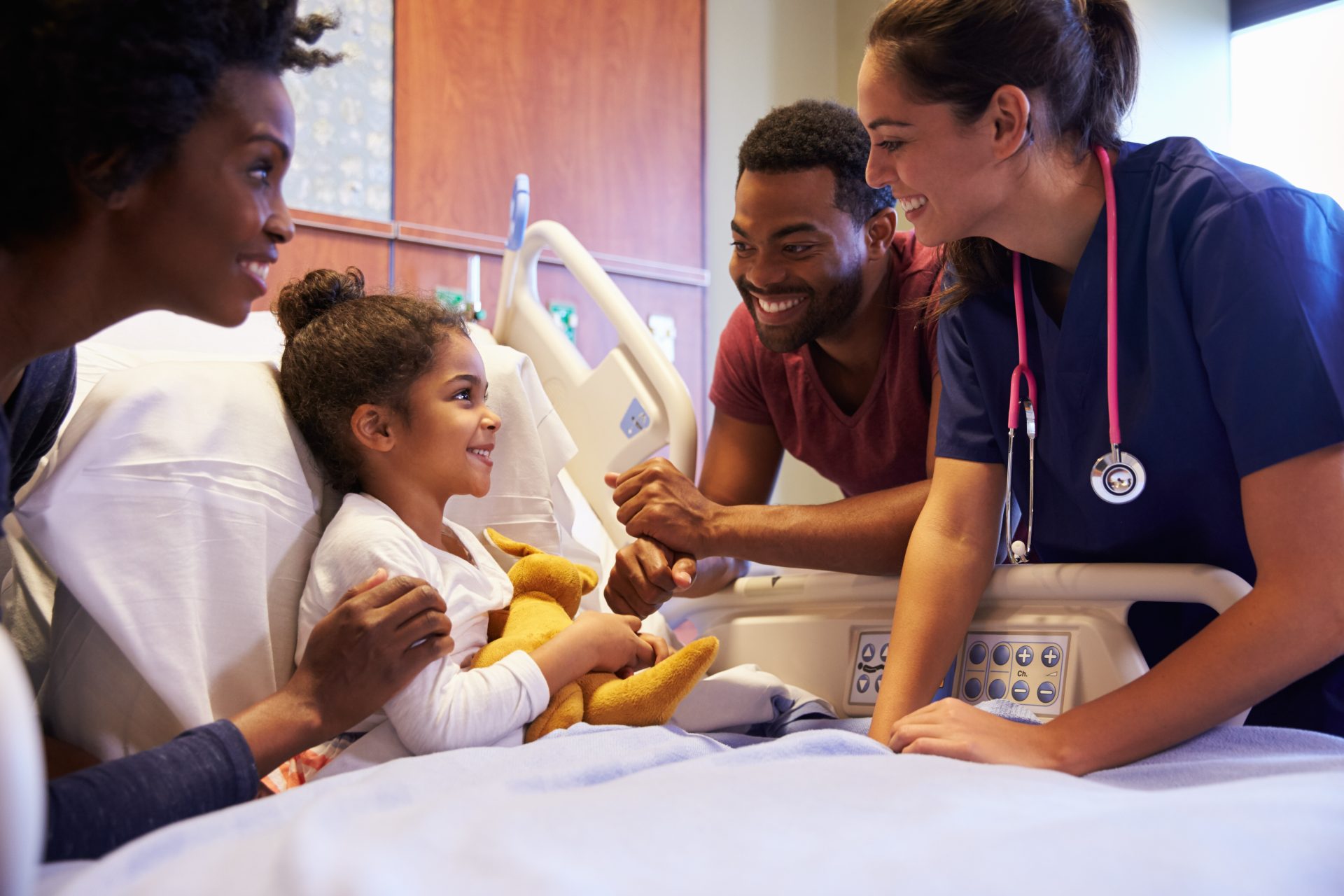
The language should be applicable in diverse cultural and geographical settings.
Consideration of language nuances and translation accuracy to avoid misinterpretation in multilingual healthcare environments.
Challenges in Reaching Consensus

Achieving consensus on a standardized nursing language can be challenging due to:
Diverse Stakeholders: Nurses, educators, researchers, and policymakers may have differing priorities and perspectives.
Resistance to Change: Long-established documentation habits may be difficult to modify.
Technological Integration: Ensuring seamless integration with various EHR systems requires coordination with IT specialists.
Resource Limitations: Developing, implementing, and training staff on a new system demands time and financial investment.
Despite these challenges, standardizing nursing language remains essential for improving healthcare outcomes, enhancing communication, and ensuring continuity of care. Collaboration, open dialogue, and evidence-based decision-making can help achieve a shared understanding and successful implementation.
Comments
Post a Comment